

Menopause Symptoms and Relief: What Actually Works (And What Doesn’t)

Researched & reviewed by Sarah Mitchell — Women’s Health Research Editor | Vital Trust Reviews | Last updated: February 2026
Affiliate Disclosure: Some links in this article are affiliate links. If you purchase through them, we may earn a small commission at no extra cost to you. This never influences our research or editorial position.
Medical Disclaimer: This article is for informational and educational purposes only. It does not constitute medical advice. Always consult a qualified healthcare professional before making any health decisions.
You wake up at 3 a.m. drenched in sweat. Your heart is racing. You kick off the covers, and within minutes you’re freezing again. You lie there staring at the ceiling, wondering: Is this really menopause? Am I going crazy? Is this going to be my life now?
You’re not going crazy. And no – this doesn’t have to be your life.
But here’s what most articles won’t tell you: there’s no single solution that works for every woman. What helped your mother, your friend, or that influencer on Instagram may do nothing for you — or might not even be safe for your specific health history.
After 15 years researching women’s hormonal health and reviewing hundreds of clinical studies, one thing becomes very clear: most women reach menopause without ever receiving a complete, honest explanation of what is happening in their bodies — or what their real options are.
That’s exactly what this guide is here to fix.
What Is Actually Happening in Your Body?

Menopause is not a disease. It is a biological transition — the permanent end of ovarian estrogen production, officially defined as 12 consecutive months without a menstrual period. The average age in the United States is 51, but the transition begins much earlier for most women.
Here’s why so many different symptoms happen at once: estrogen receptors exist throughout your entire body — in your brain, bones, heart, skin, joints, bladder, and gut. When estrogen drops, every one of those systems responds.
The three phases every woman should understand:
- Perimenopause — The transitional phase that can begin 4 to 10 years before menopause. Estrogen and progesterone levels start fluctuating erratically. Periods become irregular. Most symptoms begin here — often years before a woman realizes what’s happening.
- Menopause — The official 12-month threshold without a menstrual period.
- Postmenopause — The years that follow. Estrogen stabilizes at a permanently lower level. Some symptoms ease; others, like bone density loss, require ongoing attention.
Common Menopause Symptoms and When They Start
Symptoms vary widely between women — in type, timing, and severity. Some women transition with minimal disruption. Others find their daily lives significantly affected. Here is what the research actually shows:
Hot Flashes and Night Sweats
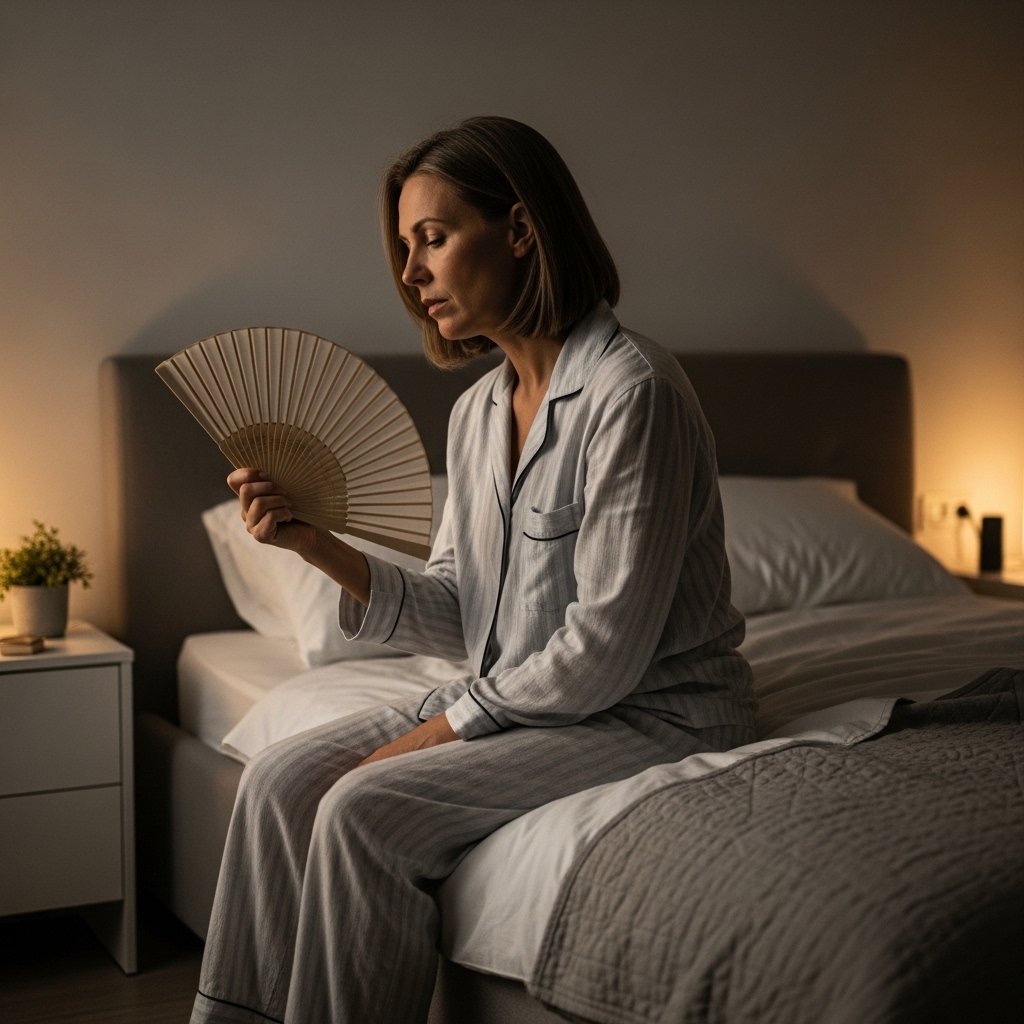
The most recognizable symptom of menopause, affecting up to 80% of women. A hot flash is not simply feeling warm — it is a sudden, intense wave of heat, flushing, and often a rapid heartbeat that can last one to five minutes. Night sweats are the nocturnal version, and when they occur repeatedly, they destroy sleep quality over time.
Why it happens: Declining estrogen disrupts the hypothalamus — your brain’s internal thermostat. It becomes hypersensitive and triggers a “cooling response” at entirely normal body temperatures. This is a neurological event, not an emotional overreaction.
Sleep Disturbances
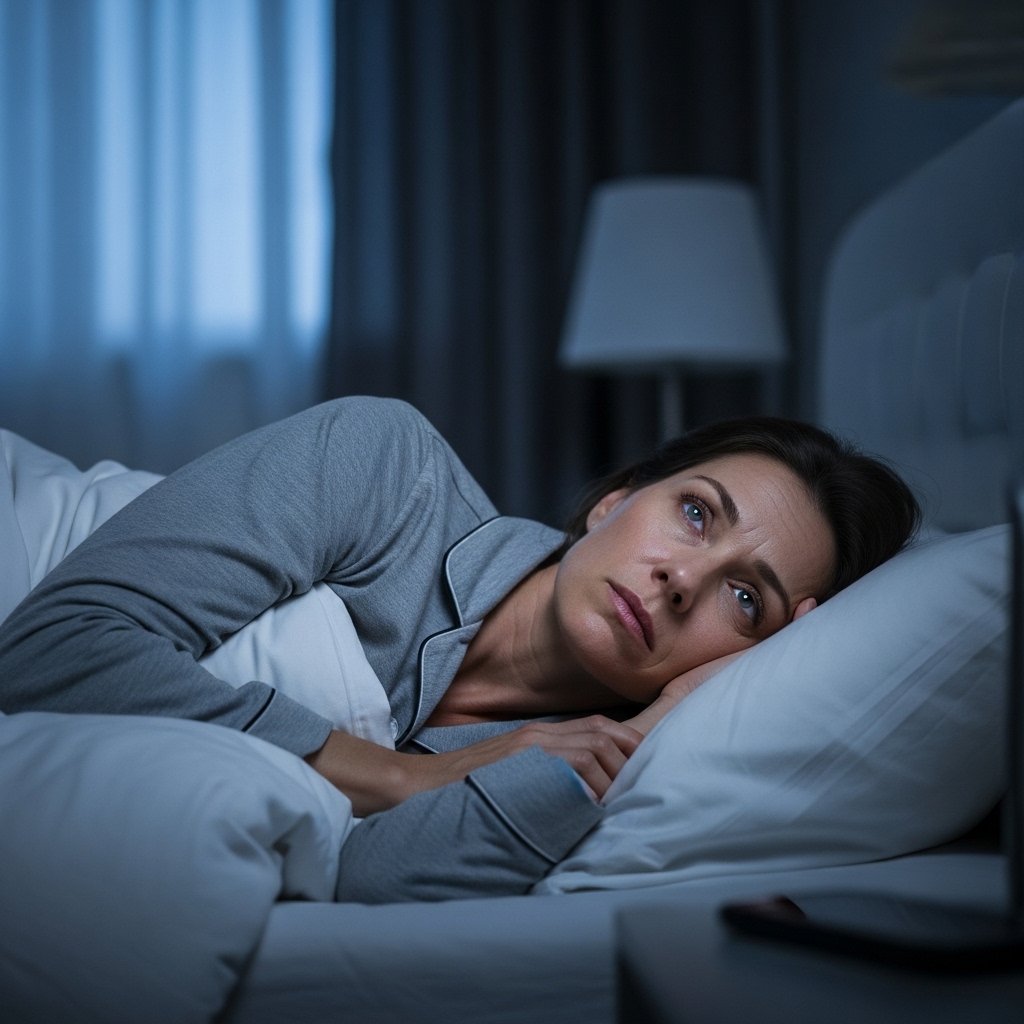
Even women without significant night sweats report dramatic changes in sleep quality during perimenopause. Estrogen and progesterone both regulate sleep architecture. Their decline disrupts deep sleep cycles, leaving many women feeling exhausted regardless of how many hours they spend in bed.
Mood Changes: Anxiety, Irritability, and Low Mood
This is the symptom women most commonly blame themselves for — and they shouldn’t. Estrogen directly influences serotonin and dopamine production. When estrogen fluctuates, neurochemistry fluctuates with it. Increased anxiety, unprovoked irritability, and low mood are hormonal responses, not personal failures.
Brain Fog

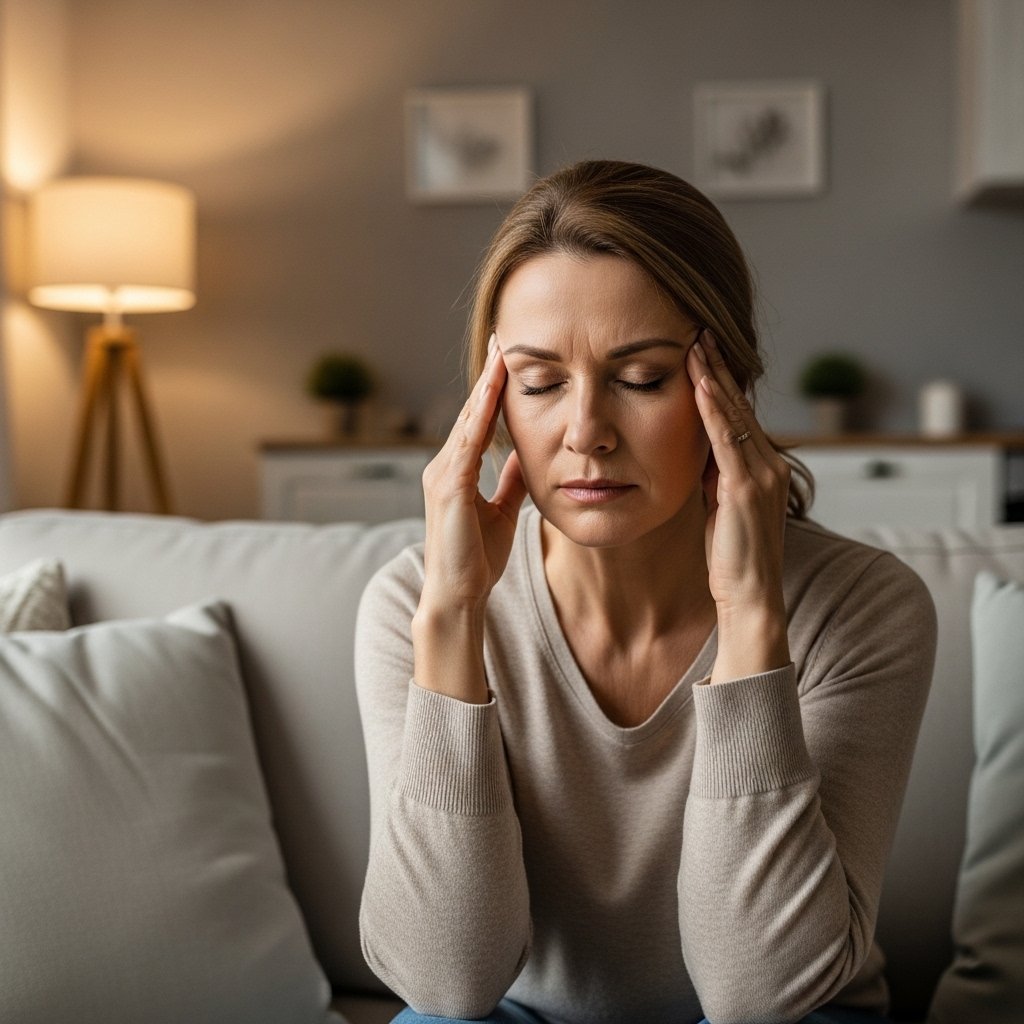
Difficulty concentrating, forgetting words mid-sentence, feeling mentally slower than usual — these are reported by up to 60% of perimenopausal women. Estrogen supports neural connectivity and blood flow to the brain. This symptom is real, measurable, and for most women, temporary.
Genitourinary Syndrome of Menopause (GSM)
Vaginal dryness, pain during sex, increased urinary tract infections, and urinary urgency affect up to 50% of postmenopausal women — and are among the most underreported symptoms because many women feel too embarrassed to mention them to their doctors. If this is you: please bring it up. It is one of the most treatable aspects of menopause.
Bone Density Loss
Silent and invisible, but one of the most medically significant long-term consequences of menopause. Women can lose 2–3% of bone density per year in the first years after menopause, dramatically increasing the risk of fractures and osteoporosis. This is why early lifestyle intervention matters.
Joint Pain, Libido Changes, and Skin Changes
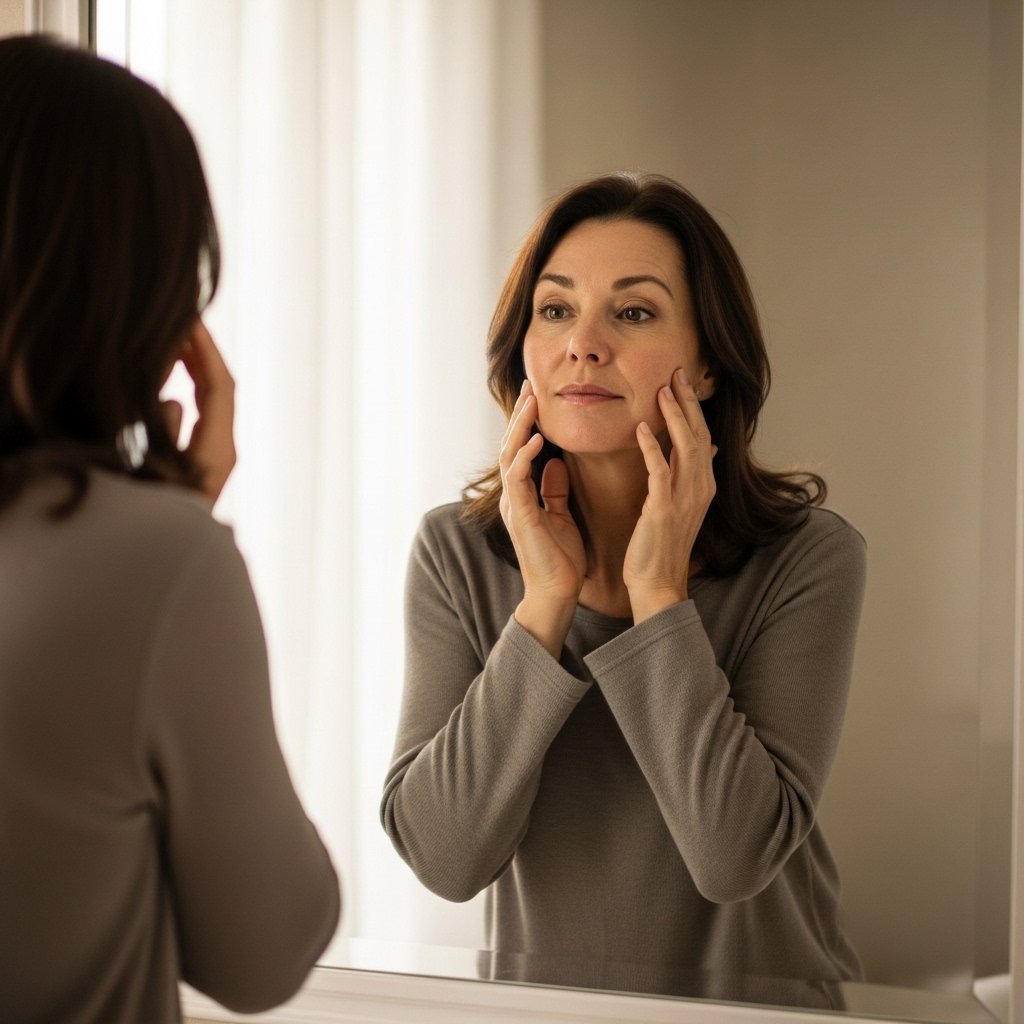
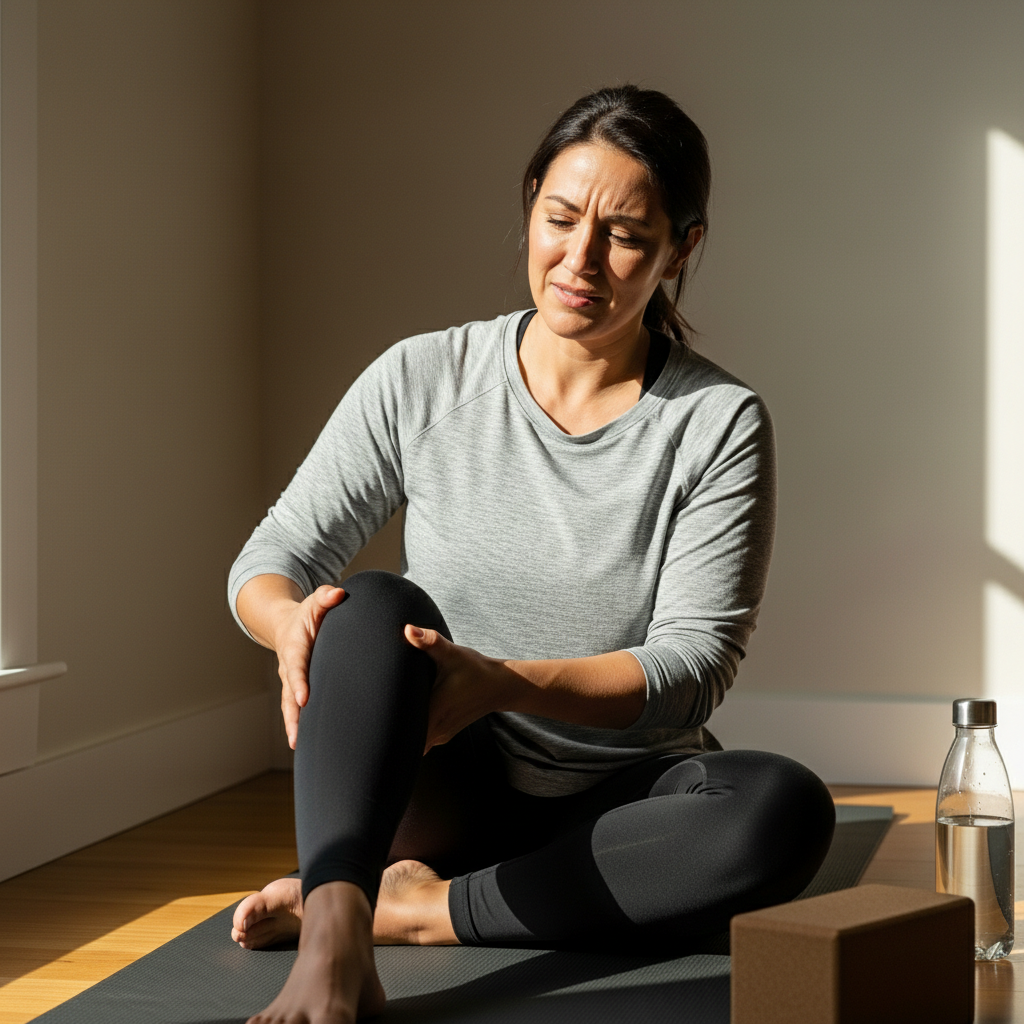
All well-documented in the clinical literature. Estrogen has anti-inflammatory properties and plays a direct role in tissue maintenance. Its decline affects joints, sexual desire, skin elasticity, and hair quality — all at the same time.
Best Menopause Treatment Options: From HRT to Natural Relief
There is no single correct approach. Treatment should always be individualized based on a woman’s symptoms, health history, and preferences. Below are the options with the strongest evidence base.
1. Hormone Therapy (MHT) — The Most Effective Medical Option
Let’s address the elephant in the room. Hormone therapy was heavily stigmatized for over two decades following a widely misinterpreted 2002 study. That narrative has since been significantly revised by the leading medical bodies in women’s health.
Current guidance from the North American Menopause Society (NAMS) and ACOG states that for healthy women under 60, within 10 years of menopause onset, Menopausal Hormone Therapy is safe, effective, and appropriate for managing moderate-to-severe symptoms.
It is not the right choice for every woman — particularly those with a history of hormone-sensitive cancers or uncontrolled cardiovascular disease. A thorough conversation with your physician is essential.
2. Non-Hormonal Prescription Options
For women who cannot or prefer not to use hormones:
- Fezolinetant (Veozah) — FDA-approved in 2023, specifically designed to target the brain pathway responsible for hot flashes, with no hormonal activity whatsoever
- SSRIs/SNRIs (paroxetine, venlafaxine) — reduce hot flash frequency and support mood regulation
- Vaginal estrogen — extremely low systemic absorption; highly effective for genitourinary symptoms; considered safe even for most women who cannot use systemic hormones
3. Cognitive Behavioral Therapy (CBT)
Validated in multiple randomized controlled trials for reducing the distress associated with hot flashes and for improving sleep quality. Recognized by both NAMS and ISSWSH as an effective non-pharmacological option.
Lifestyle Changes for Hot Flash Relief and Better Sleep

| Strategy | What the Evidence Shows |
|---|---|
| Aerobic exercise (150 min/week) | Reduces hot flash frequency, improves sleep quality and mood |
| Resistance training | Protects bone density, improves body composition and metabolic health |
| Reducing alcohol and caffeine | Directly reduces common hot flash triggers |
| Sleep hygiene improvements | Breaks the fatigue-anxiety-insomnia cycle |
| Mediterranean-style diet | Supports cardiovascular and bone health post-menopause |
| Mindfulness and stress management | Reduces cortisol levels, which worsens hormonal volatility during perimenopause |
Natural Menopause Supplements That Actually Work
The supplement industry is largely unregulated, and the gap between what is marketed and what is clinically supported can be enormous. That said, several ingredients have genuine peer-reviewed research behind them.
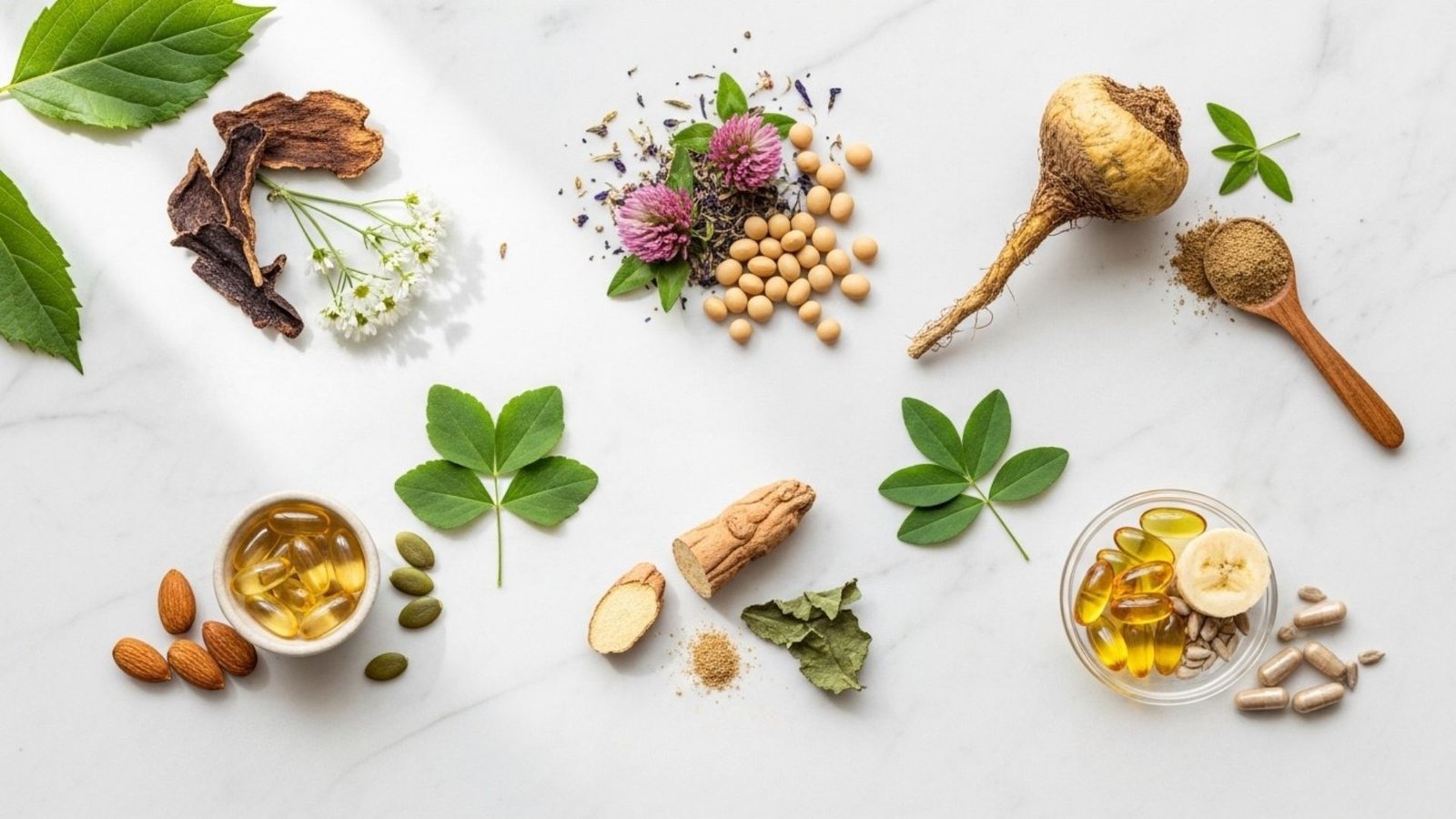
Black Cohosh (Actaea racemosa)
The most studied herbal ingredient for menopause. A 2022 systematic review on PubMed found statistically significant reductions in vasomotor symptoms in some women. A Cochrane systematic review acknowledged its clinical use while calling for larger standardized trials.
Safety note: Generally considered safe for up to 6 months of continuous use. Avoid if you have a history of liver conditions or hormone-sensitive cancers. Always disclose use to your doctor.
Phytoestrogens — Soy Isoflavones and Red Clover
Plant compounds that weakly mimic estrogen activity in the body. Clinical results are mixed and vary significantly based on individual gut microbiome composition. Some women experience meaningful hot flash reduction; others see little effect. Not recommended for women with a history of estrogen-receptor-positive breast cancer.
Maca Root (Lepidium meyenii)
Small clinical trials suggest benefits for mood, energy, and sexual function during menopause — through non-estrogenic mechanisms, making it relevant even for women avoiding phytoestrogens. Evidence is promising but not yet confirmed in large-scale trials.
Magnesium
One of the most underrated supplements for this life stage. Solid evidence supports its role in sleep quality improvement and muscle relaxation. Magnesium deficiency is extremely common and becomes more prevalent with age.
Ashwagandha
An adaptogen with well-documented evidence for cortisol reduction and sleep support. Particularly relevant during perimenopause, when stress and hormonal volatility tend to amplify each other.
Vitamin B6
Directly involved in serotonin synthesis. Adequate B6 levels support mood regulation and may reduce the irritability and anxiety that often accompany hormonal fluctuations in early perimenopause.
MenoSoothe: Is It Worth It? An Evidence-Based Assessment
⚠️ This section contains affiliate links. If you purchase through our link, we may earn a small commission at no extra cost to you. This does not influence our assessment — we apply the same editorial criteria to every product we review.
When evaluating any menopause supplement, we apply a consistent set of criteria before considering a recommendation:
- Inclusion of ingredients with at least preliminary peer-reviewed evidence
- Standardized herbal extract concentrations — not raw powder filler
- Transparent labeling — no proprietary blends concealing underdosed ingredients
- GMP-certified manufacturing
- Realistic marketing — no disease treatment claims
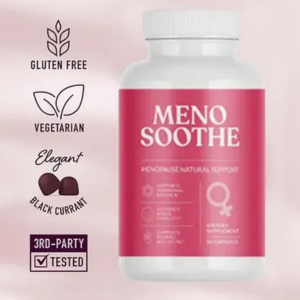
MenoSoothe’s formula includes Black Cohosh, Dong Quai, Maca Root, Vitamin B6, and Magnesium — a combination that addresses vasomotor symptoms, mood, energy, and sleep simultaneously.
What works in its favor:
✅ Core ingredients supported by published clinical research
✅ Hormone-free, suitable for women avoiding phytoestrogens or synthetic hormones
✅ Covers multiple symptom categories in a single formula
✅ 60-day money-back guarantee
✅ No disease treatment claims in its marketing
What to keep in mind:
⚠️ No large-scale independent clinical trial exists on this exact formula as a combined product
⚠️ Results vary significantly between individuals — this is true of all menopause supplements
⚠️ Not a substitute for medical evaluation in cases of moderate-to-severe symptoms
Our honest assessment: For women in early perimenopause, those with mild-to-moderate symptoms, or those seeking a non-hormonal complement to an active lifestyle and dietary approach, MenoSoothe is a thoughtfully formulated option in a market full of poorly designed products. It is not a miracle supplement — but it is one we consider credible based on its ingredient profile.
👉 See if MenoSoothe matches your symptoms → Check availability
Frequently Asked Questions
How long do menopause symptoms last?
On average, vasomotor symptoms last 7 to 10 years from their onset — not from the menopause date itself. Women who enter perimenopause earlier tend to experience a longer overall symptom duration. Some women continue to experience hot flashes well into their 60s.
Can I still get pregnant during perimenopause?
Yes. Until 12 full consecutive months have passed without a menstrual period, ovulation can still occur. If pregnancy is not desired, contraception should remain in use throughout the perimenopausal transition.
Is weight gain during menopause inevitable?
Not inevitable, but extremely common. The shift toward increased abdominal fat storage is hormonally driven — not simply a result of eating more or moving less. Resistance training and adequate dietary protein are the two most evidence-backed strategies to counteract these changes.
Are natural supplements safe to take alongside prescription medications?
Not always, and this question should never be skipped. Black Cohosh, for example, may interact with medications processed by the liver. Always disclose every supplement you are taking to your physician or pharmacist before starting.
What is the difference between perimenopause and menopause?
Perimenopause is the multi-year transitional phase marked by hormonal fluctuation and irregular periods. Menopause is the specific clinical threshold — 12 consecutive months without a menstrual period. Most symptoms people associate with “menopause” actually begin during perimenopause.
Should I try supplements before hormone therapy?
This is a personal medical decision and one best made with your doctor. Supplements may be a reasonable starting point for women with mild symptoms or those who are not candidates for hormone therapy. For moderate-to-severe symptoms, medical treatment options have a significantly stronger evidence base.
This article was researched and reviewed by Sarah Mitchell, Women’s Health Research Editor at Vital Trust Reviews. All clinical references are sourced from primary literature. For personalized medical guidance, consult your healthcare provider.
Clinical References:
- North American Menopause Society — menopause.org
- Office on Women’s Health — womenshealth.gov
- Mayo Clinic — Menopause Diagnosis & Treatment
- Cochrane Review — Black Cohosh for Menopausal Symptoms
- PubMed — Black Cohosh Efficacy & Safety 2022 (PMID 35403534)
- NIH Office of Dietary Supplements — Black Cohosh Fact Sheet
- ACOG — Menopause & Hormone Therapy
Every woman’s menopause experience is different, and yours matters. What has been your biggest challenge so far? Share in the comments below. Your question might help another woman who’s going through the exact same thing.